

“In the next decade, companies won’t compete on products or pricing—they’ll compete on their ability to attract, develop, and retain human potential faster than their competitors.”
As we navigate 2025, the Indian subcontinent stands at a pivotal juncture where traditional HR practices are becoming obsolete overnight. Having observed hiring patterns across diverse industries, I’ve identified five transformative trends that will determine which organizations thrive and which merely survive.

1. The Remote-First Cultural Revolution
The hybrid work model isn’t temporary—it’s permanent. Companies clinging to physical presence requirements are losing top talent to competitors offering location flexibility. Organizations must redesign performance metrics around output rather than office hours, while building virtual collaboration cultures that maintain team cohesion across geographical boundaries.
Strategic Response: Invest in digital collaboration infrastructure and redefine productivity measurements. Create virtual mentorship programs that replicate in-person relationship building.
2. AI-Augmented Recruitment Intelligence
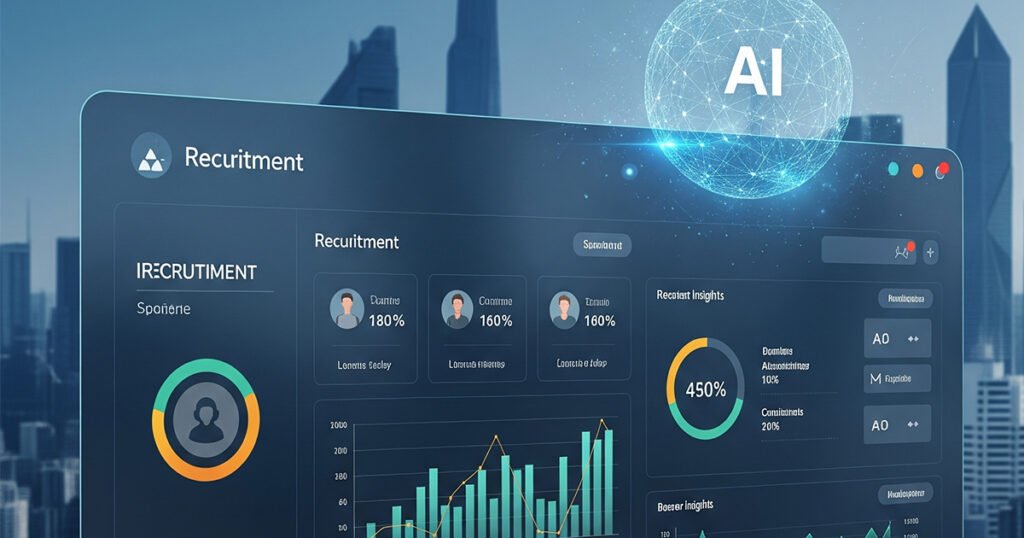
Traditional resume screening is dead. AI-powered talent assessment now evaluates cognitive abilities, cultural fit, and growth potential through behavioral analysis and predictive modeling. This shift demands HR professionals to become data interpreters rather than just people managers.
Strategic Response: Integrate AI tools for initial screening while maintaining human judgment for final decisions. Train HR teams on data analytics to leverage recruitment intelligence effectively.

3. Skills-Based Hiring Over Degree Requirements
The degree inflation bubble is bursting. Companies are prioritizing demonstrable skills and problem-solving capabilities over educational credentials, opening talent pools previously excluded by academic barriers. This democratization of opportunities requires sophisticated skill assessment frameworks.
Strategic Response: Develop practical skill evaluation processes. Partner with skill-based training platforms to identify and nurture non-traditional talent sources.
4. Mental Health as Business Strategy
Employee wellbeing isn’t HR’s side project—it’s becoming a core business metric. Organizations treating mental health support as optional are experiencing higher attrition, reduced productivity, and damaged employer branding. Proactive mental health initiatives are now competitive advantages.
Strategic Response: Embed mental health professionals within HR teams. Create early intervention systems and normalize conversations around workplace stress and burnout.

5. Generational Workforce Integration
Managing four distinct generations simultaneously—from Baby Boomers to Gen Z—requires unprecedented adaptability. Each generation brings unique expectations around communication styles, career progression, and work-life integration that traditional one-size-fits-all policies cannot address.
Strategic Response: Design flexible benefit packages and communication strategies tailored to generational preferences while maintaining organizational cohesion.
The Path Forward
The organizations that recognize these trends as opportunities rather than obstacles will capture tomorrow’s talent market. The key lies not in perfecting these transitions but in starting them immediately—because in the war for talent, hesitation is defeat.
JOBCARR continues pioneering innovative hiring solutions that help Indian subcontinent companies navigate these evolving talent landscapes successfully.

By Rohan Ah Noronha, CEO, JOBCARR