


“The best candidates don’t just answer our questions brilliantly—they ask questions that make us rethink our own strategy.”
— Sarah Chen, VP of Talent Acquisition, Fortune 500 Tech Company

The Final Round Revelation
You’ve survived multiple interview rounds. Your technical competence is proven. Now comes the moment that truly separates seasoned professionals from ordinary candidates: the questions you ask when they say, “Do you have any questions for us?”
While junior candidates focus on salary negotiations, experienced professionals understand that compensation is just one piece of a complex career puzzle. Here’s what you should be asking instead:

Strategic Decision-Making Insight
“Can you walk me through a recent strategic decision this team influenced at the executive level?”
This reveals whether your role will have genuine impact or if you’ll be executing orders from above. Listen for specifics about influence, decision-making authority, and how your department shapes company direction.

Innovation and Growth Trajectory
“What’s the biggest competitive threat this organization faces in the next 18 months, and how is this role positioned to address it?”
This question demonstrates strategic thinking while uncovering whether the company is forward-looking or reactive. Their answer reveals if you’re joining a growth trajectory or a sinking ship.
Cultural Intelligence Assessment
“Describe the last time this team had to pivot significantly. How did leadership communicate the change, and what support was provided?”
This exposes their crisis management style, communication patterns, and whether they support teams through transitions or leave them to figure things out independently.
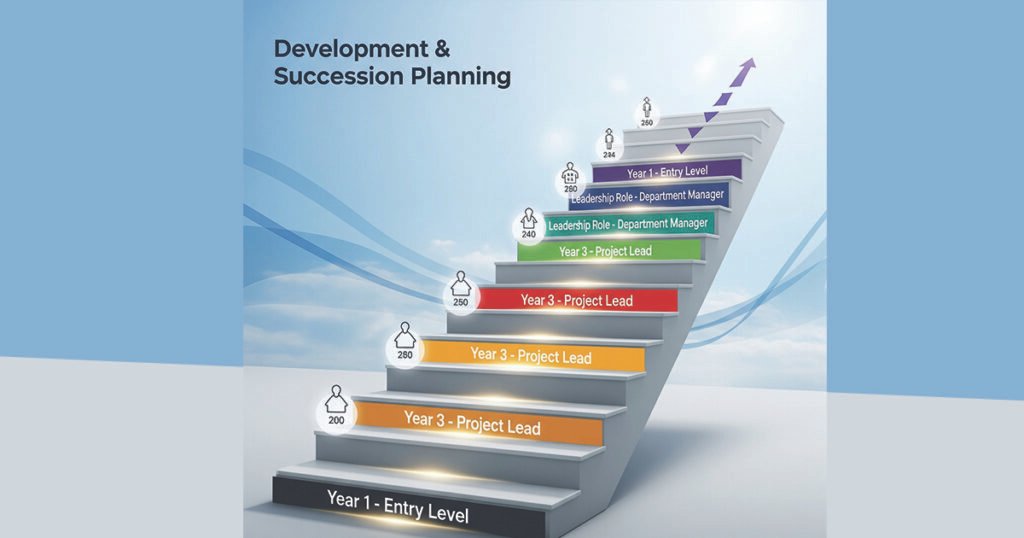
Development and Succession Planning
“What does the career progression path look like for someone excelling in this role over the next 3-5 years?”
Look beyond vague promises. Ask for specific examples of people who’ve grown internally, new roles created for top performers, and expansion opportunities.
Resource and Authority Clarity
“What budget authority and resource allocation comes with this position, and how are decisions made when additional resources are needed?”
This reveals whether you’ll have the tools to succeed or constant bureaucratic battles ahead.
The Leadership Test
“How does senior leadership measure success for this role beyond traditional KPIs?”
Their answer shows whether they think strategically about value creation or focus only on basic metrics.

The Power Move
End with: “Based on our conversation, what concerns do you have about my fit for this role?”
This forces honest feedback and positions you as someone confident enough to address potential gaps directly.
Remember: Great professionals don’t just seek jobs—they evaluate partnerships. Ask questions that demonstrate you’re thinking like a future leader, not just an employee.